
Continence Health Australia
-
Welcome to Continence Learning
Visit our course catalogue to find a course for you!
Course categories
Skip courses
Courses
Skip available courses
Available courses

Autistic children and young people do not necessarily have difficulties with toilet training or continence, but if they do and these are not addressed, continence difficulties may affect all areas of life and lead to secondary problems and co-occurring conditions.
This webinar is tailored to health professionals who are involved with continence management who may have clients or patients with autism or would like to know more about how to support autistic children and their families. It is hosted by Continence Health Australia and its newly formed Paediatric Special Interest Group.

My Continence Care Residential (Non-clinical) is a professional development module designed for people providing continence care in residential aged care. The module covers key elements of person-centred continence care.
Organisational packages available
Package includes:
- Online learning module
- Continence Conversations
- Implementation guide
- Audit tool in line with Action 5.5.3 Continence
$250 subscription per residential site per year (Unlimited users)
Hosted on your Human Resources or Learning Management System and implemented with the support of Continence Health Australia.
For organisational packages please contact:
Lauren Jackson
email: l.jackson@continence.org.au
Individual Self-Enrolment

This is a two (2) part blended course on indwelling catheterisation procedures (IDC), preparation and practice for both urethral and suprapubic catheterisation.
- Catheterisation in Practice, covering anatomy and physiology of the lower urinary tract and indications and contraindications for catheterisation
- Catheterisation equipment
- Catheterisation preparation and procedure
- Catheterisation complications and troubleshooting
For more information on this course, or to enrol, please contact education@continence.org.au


Browse and access a variety of webinar topics

As Australia’s premier multidisciplinary meeting for health professionals specialising in bladder, bowel and pelvic health, the national conference offers an extensive program of sessions, workshops and networking opportunities, bringing together key decision-makers and leading experts to share the latest advances in incontinence research and practice.

As Australia’s premier multidisciplinary meeting for health professionals specialising in bladder, bowel and pelvic health, the national conference offers an extensive program of sessions, workshops and networking opportunities, bringing together key decision-makers and leading experts to share the latest advances in incontinence research and practice.

As Australia’s premier multidisciplinary meeting for health professionals specialising in bladder, bowel and pelvic health, the national conference offers an extensive program of sessions, workshops and networking opportunities, bringing together key decision-makers and leading experts to share the latest advances in incontinence research and practice.

Pelvic floor muscle training (PFMT) is a vital component for management for urinary incontinence and pelvic organ prolapse. This presentation will apply FITT-VP principles to PFMT.
FITT-VP is a principle used to guide exercise prescription, focusing on Frequency, Intensity, Time, Type, Volume, and Progression of workouts. It helps individuals create effective and safe exercise programs tailored to their fitness goals and abilities broken down as:
- Frequency
- Intensity
- Time/Duration
- Type
- Volume
- Progression
This webinar will apply the latest evidence for PFMT exercise dose and approaches within clinical practice and how to best manage adherence strategies for clients and patients.
Learning Outcomes
- Learn the mechanism of pelvic floor muscle training (PFMT) for urinary incontinence (UI) and pelvic organ prolapse (POP)
- Learn the definition of FITT-VP and how it applies to PFMT
- Learn the latest evidence for PFMT exercise dose and approaches in clinical practice
- Explore adherence strategies for PFMT
- Explore moving from isolated PFM exercises to reaching functional goals in real-world cases.

Webinar available 2nd September 2025 - 2nd December 2025
Constipation is one of the most common presentations in paediatrics, yet it remains frequently under-recognised and under-treated.
Dr Lexi Frydenberg will offer a practical, evidence-based approach to the diagnosis and management of functional constipation in children. Participants will learn to make a confident clinical diagnosis, appreciate the reasons symptoms are often under-reported, and develop skills in initiating, titrating, and eventually weaning laxative therapy.
The session will also explore the common cycle of withholding and faecal impaction, highlight the role of dietary and behavioural strategies, and provide guidance on when to refer for further assessment - and to whom.
Following this, Dr Sebastian King will address the proportion of children who will present with severe or refractory constipation requiring surgical assessment. In some of these children, an operative intervention will be required.
This presentation will provide practical guidance for health professionals to improve recognition of when referral to a colorectal surgical service is warranted, and to deepen understanding of the spectrum of management options available for children with chronic constipation.

On Saturday 29 March, the Physiotherapy Special Interest Group held a full-day workshop at the Continence Health Australia National Office, Melbourne. Focusing on Men’s Health, this long-awaited face to face workshop addressed male anatomy, assessment and treatment of prostate ailments and addressed post-prostatectomy erectile dysfunction.
Learning Outcomes
On completion participants will have a better understanding of:
- The male anatomy responsible for continence
- Assessment of male urinary incontinence especially after treatment for prostate cancer
- Treatment of post prostatectomy incontinence
- The role of the sexologist and erectile dysfunction treatments.
- Manager: Louise Reed
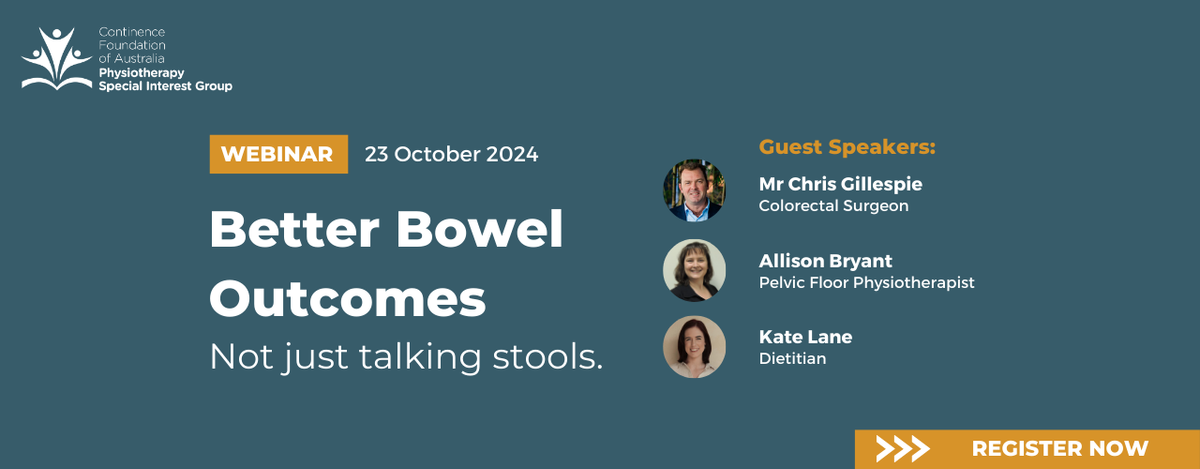
Physiotherapy Special Interest Group Webinar, 23rd October 2024
Better Bowel Outcomes - Not Just Talking Stools
Only those who registered to attend the webinar have access to this recording
If you were unable to attend the professional development this year, you are able to purchase and watch the recordings here.
Foundations of Continence Care
This event is for early career professionals or anyone wanting to build their knowledge in continence management.
If you were unable to attend the professional development this year, you are able to purchase and watch the recordings here.
If you were unable to attend the professional development this year, you are able to purchase and watch the recordings here.
If you were unable to attend the professional development this year, you are able to purchase and watch the recordings here.
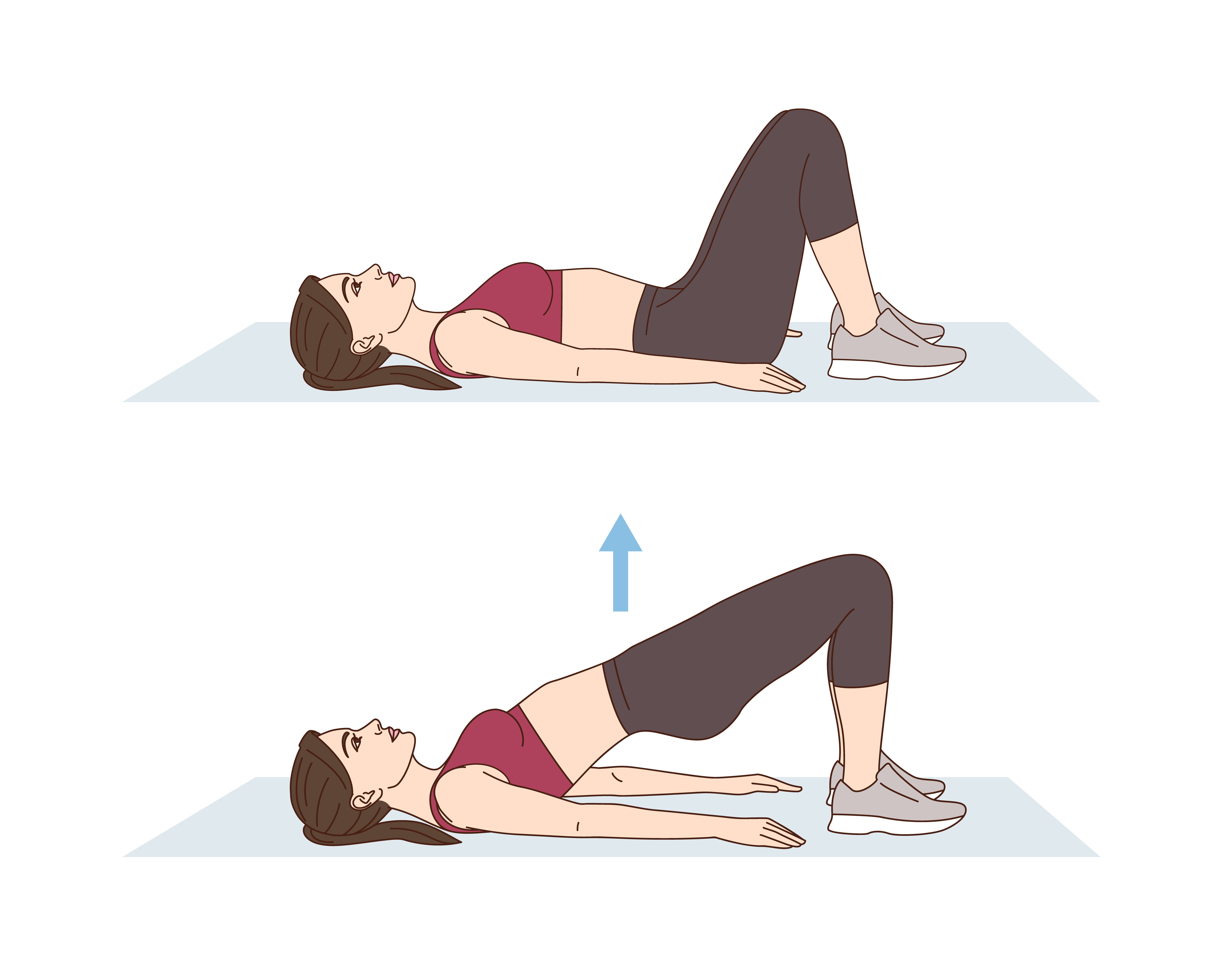
This course has been developed for Fitness Professionals to provide you with information on the structure and function of the pelvic floor muscles so that you can incorporate this knowledge into your client’s (and your own) pelvic floor fitness program. This course will take between 7-9 hours to complete.
The 6 modules will cover:
- The Pelvic Floor and its Function
- Pelvic Floor Dysfunction
- Getting Pelvic Floor Exercises Correct
- Changing Exercise Programs to Support Clients at Risk
- Exercise Modifications
- Motivating and Assisting Clients

This course builds on the learning from Essentials of Continence Care. It should be completed after undertaking Essentials of Continence Care. It has been developed primarily for:
- Community-based aged care and disability support workers,
- Residential aged care support workers
- Enrolled Nurses
- Registered Nurses moving into the sector
The 10 modules will cover:
- Skin Care to reduce the risk of Skin Breakdown
- Assistive Products and Technologies to improve Continence Care Outcomes
- Person-centred Care to Promote Continence
- Good Toileting Habits to Promote Continence
- Multidisciplinary Care and Team Based Approach
- Communication to Improve Continence Care Outcomes
- Good Lifestyle habits to Promote Continence
- Continence Products Funding Assistance
- Getting help for Bladder and Bowel Problems
- Bladder and Bowel Diaries to Improve Continence Care Outcomes

This 10 module course presents the essential core theories of continence. It should be completed before undertaking Aspects of Continence Care. It has been developed primarily for:
- Community-based aged care and disability support workers,
- Residential aged care support workers
- Enrolled Nurses
- Registered Nurses moving into the sector
The 10 modules will cover:
- Let's start talking about Incontinence
- Understanding the Urinary System
- The Micturition Process
- The Lower Gastrointestinal Systems
- The Defaecation Process
- The Pelvic Floor
- Types of Urinary Incontinence
- Functional Incontinence
- Medications
- Bowel Problems and Faecal Incontinence

This course complements the Continence Support Now website. Each module is an extension of the content featured on the website. Topics include:
- Skin care
- Assistive products and technologies
- Urinary Catheters
- The Bladder
- The Bowel
- Fluids and fibre
- Care plans

This course supports the understanding and application of the Continence Resources for Aged Care. It is a 7 module course and has been developed primarily for:
- Community-based aged care and disability support workers,
- Residential aged care support workers
- Enrolled Nurses
- Registered Nurses moving into the sector
The 7 modules will cover:
- Introducing the Continence Resources for Aged Care
- Screening for Incontinence
- Three-day Bladder Charting
- Seven-day Bowel Charting
- Continence Care Planning
- Continence Care Summary Form
- Reviewing Continence Care Needs
Downloadable Continence Resources for Aged Care

This module contains the topics:
- About urinary tract infections
- Causes
- Diagnosis and treatment
- Prevention
By the end of this module, you should be able to:
- discuss causes of urinary tract infections
- recall symptoms of a urinary tract infection
- list strategies to prevent urinary tract infections
- discuss treatment of urinary tract infections
- state the risks and risk mitigation strategies of catheter use and urinary tract infections
- recall the symptoms of a person with a catheter-associated urinary tract infection.

This module contains the topics:
- Factors that affect continence in older age
- Importance of screening for risk factors
- Interventions for maintaining and managing urinary continence
By the end of this module, you should be able to:
- recognise cognitive and functional limitations in maintaining continence
- state how medications impact continence
- describe the use of continence assessments to identify risk of incontinence
- discuss interventions for urinary incontinence in the healthy elderly
- explain daily strategies which promote continence in the older person.
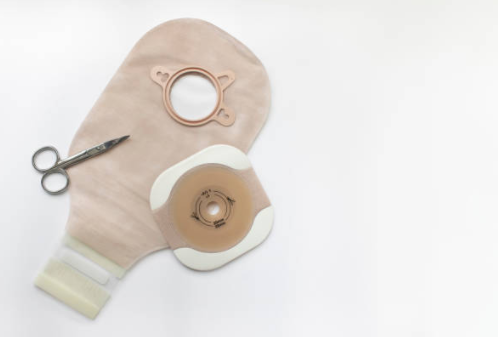
This module contains the topics:
- About stomas
- Care and management
- Complications
- Stoma reversal
By the end of this module, you should be able to:
- summarise the purpose of creating a stoma
- recall the three types of stomas
- describe the preoperative care for a patient receiving a stoma
- describe stoma care and skin care following surgery
- recall the healthy appearance of a stoma
- describe complications of stoma creation and a patient living with a stoma
- name complications of stomas which require referral
- indicate when a stoma is reversible
- describe strategies to promote successful stoma reversal.

This module contains the topics:
- The continence assessment and its importance
- Tools that assist with continence assessments
- What can a continence assessment tell you?
- From assessment to care plan
- Review of continence status
By the end of this module, you should be able to:
- explain the purpose of a continence assessment
- list components of a continence assessment and how they are used
- explain what to consider when undertaking a continence assessment
- list what to include in a continence care plan
- discuss the need for reviewing a continence care plan

This module contains the topics:
- Impact of stroke on continence
- Managing incontinence after a stroke
By the end of this module, you should be able to:
- explain causes of incontinence following a stroke
- list common types of incontinence following a stroke
- identify the importance of continence assessments for individuals who have had a stroke
- list methods of managing incontinence
- describe strategies to promote continence.

This module contains the topics:
- About the prostate
- Diagnosing prostate issues
- Treatment options
By the end of this module, you should be able to:
- describe the impacts of prostate treatments on continence
- list strategies to promote continence following prostate cancer treatments
- describe the benefits of undertaking pelvic floor muscle exercises.

This module contains the topics:
- Understanding what issues may be indicating
- How can you help?
By the end of this module, you should be able to:
- define the term ‘red flag’
- recognise the implication of combined red flags
- list urological diseases and conditions which may be indicated by red flags
- describe which red flags are significant for people with urinary incontinence
- list bowel diseases or conditions which can be detected by red flags
- list red flags of serious bowel conditions
- describe the conditions for which referral to a specialist should be made.

This module contains the topics:
- The role of the pelvic floor
- How pregnancy can impact continence
- Factors that increase the risk of developing incontinence
- What can be done to manage incontinence
By the end of this module, you should be able to:
- describe how pregnancy impacts continence and the possibility of organ prolapse
- list factors of pregnancy which may increase the risk of incontinence
- discuss risk factors of delivery on incontinence
- explain the use of pelvic floor muscle training to manage incontinence.

This module contains the topics:
- Medications used to treat urinary incontinence
- Medications used to treat faecal incontinence
- Risks associated with polypharmacy
- Reducing inappropriate polypharmacy
- Medications that can adversely affect bladder and/or bowel function
By the end of this module, you should be able to:
- List medications used to treat urinary incontinence.
- Describe how pharmacology can assist in treating urinary incontinence.
- Recall medications used to treat constipation.
- Recall the risk of polypharmacy.
- Describe medications which adversely affect bladder or bowel function.
This module contains the topics:
- About pelvic organ prolapse
- Causes and degree of severity
- Conservative treatment options
- Surgery as a treatment option
By the end of this module, you should be able to:
- define pelvic organ prolapse and the types of pelvic organ prolapse
- describe the symptoms of pelvic organ prolapse
- state the risk factors for pelvic organ prolapse
- recall conservative treatment options for pelvic organ prolapse
- explain the function and management of pessaries in providing treatment
- describe the use of surgery as an option with consideration to a person’s symptoms and type of prolapse.
This module contains the topics:
- Impact of menopause on continence
- How issues are diagnosed
- Treatment and management options
By the end of this module, you should be able to:
- explain how anatomy and physiology changes in women can impact continence
- list symptoms of incontinence experienced by menopausal and post-menopausal women
- describe non-surgical treatments available to manage incontinence
- outline surgical options for women experiencing incontinence.

This module contains the topics:
- About male incontinence
- Anatomy and physiology
- Continence assessment and management
By the end of this module, you should be able to:
- list types of incontinence affecting males
- describe post-micturition incontinence and its management
- state factors which can contribute to incontinence in males
- describe how changes to the prostate can impact continence
- list management options for managing incontinence in males
- explain the circumstances in which pelvic floor muscles strengthening is necessary.
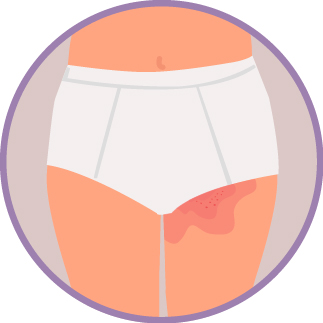
This module contains the topics:
- What is Incontinence-associated dermatitis (IAD) and what is its impact?
- Causes and risk factors for IAD
- Categories of IAD and IAD versus pressure injuries
- Treatment and prevention of IAD
By the end of this module, you should be able to:
- Describe the condition IAD
- Explain how urine and/or faeces can damage skin structure
- Describe the causes and risk factors of IAD
- Explain the criteria of each recognised IAD category
- Identify clinical differences between IAD and pressure injuries
- State measures in treating IAD
- Identify prevention strategies for IAD
- Describe the link between poor management of incontinence and IAD

This module contains the topics:
- About functional gut disorders
- How are functional gut disorders diagnosed?
- Link to pelvic floor dysfunction and incontinence
- Treatment and management of functional gut disorders
By the end of this module, you should be able to:
- recall characteristics of functional gut disorders
- list causes of functional gut disorders
- discuss the connection between functional gut disorders and symptoms of pelvic floor dysfunction and incontinence
- describe the treatment and management of functional gut disorders.

This module contains the topics:
- Introduction to the Bowel
- What is faecal incontinence?
- How is faecal incontinence assessed?
- Treatment, management and prevention of faecal incontinence
By the end of this module, you should be able to:
- describe how bowel motility occurs and how continence is achieved
- define faecal incontinence and describe the different types of faecal incontinence
- describe how constipation and diarrhoea contribute to faecal incontinence
- list the causes of faecal incontinence
- discuss what is included in a faecal incontinence assessment
- discuss treatment, management and prevention of faecal incontinence

This module contains the topics:
- Understanding dementia
- Dementia and incontinence
- Assessing and managing incontinence in people living with dementia
By the end of this module, you should be able to:
- Define dementia and the subtypes of dementia
- Describe the six cognitive domains affected by dementia
- Explain how dementia may impact a person’s ability to maintain continence and what types of incontinence they may experience
- Describe the impact of medications for the management of dementia on continence
- Discuss the importance of a continence assessment in relation to providing individualised continence care to a person living with dementia
- Outline management strategies for incontinence in a person living with dementia

This module contains the topics:
- About comorbidities
- Challenges in managing continence in older people
- How can we provide quality continence care?
- Additional considerations when providing continence care
By the end of this module, you should be able to:
- define comorbidities
- discuss how comorbidities can make continence care more complex
- recognise components of quality continence care for the person with comorbidities
- describe how a person-centred approach to continence care of the older person with comorbidities can be achieved.

This module contains the topics:
- About catheters
- Catheter care
- Complications associated with catheter care
By the end of this module, you should be able to:
- Recall when a catheter should be used
- Describe the function and purpose of different catheter types
- Define and explain how CAUTI impacts on catheter care.
- List and explain complications of catheter care.
- List strategies that can help promote safe and effective catheterisation.

This module contains the topics:
- About the anal sphincter muscles
- Injuries
- Treatment
- Long-term impacts
- Jill’s story
By the end of this module, you should be able to:
- describe the role of the anal sphincter in maintaining continence
- list causes of anal sphincter injuries
- describe the impact of anal sphincter injuries on continence
- discuss treatment methods for anal sphincter injuries.

This module contains the topics:
- Understanding what happens to the bladder and bowel as we age
- Impact of comorbidities on continence
- Maintaining and promoting continence
By the end of this module, you should be able to:
- describe age-related anatomical changes that may increase the risk of urinary incontinence in males and females
- recall reasons linking the ageing bowel with constipation
- describe the impact of dementia on retaining continence
- explain strategies to maintain and promote continence in the older person.

This course has been designed for Midwives to enable them to work with women throughout their pregnancy to reduce their risk of developing incontinence.
The course has 4 modules covering:
- Normal function of the pelvic organs and the effects of pregnancy:
- Continence problems during pregnancy:
- Types of incontinence
- Understanding the effects of incontinence
- Assessing the risk of incontinence
- Intra-partum continence care:
- Understanding and managing the risks to the bladder and bowel during childbirth
- Delivery related complications and pelvic health
- Post-partum continence care:
- Childbirth related complications that can affect continence
- Helping women to navigate initial postpartum
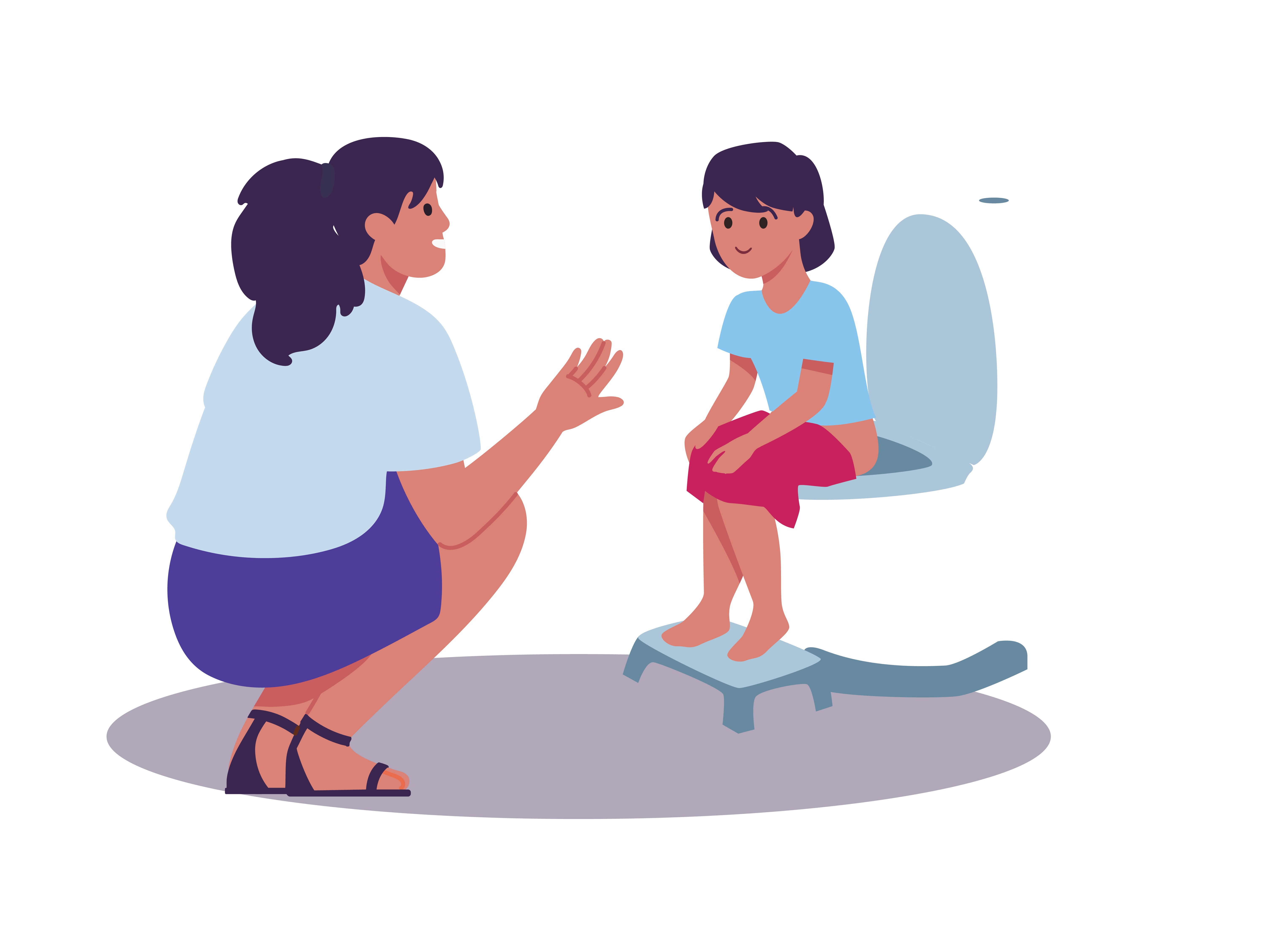
Supporting toilet training is the final of seven electives in the Paediatric Continence course. You must complete the core unit, Introduction to Paediatric Continence before undertaking any of the electives. This module will cover:
- milestones necessary for successful toilet training
- comorbidities and their affect on toilet training
- recognised toilet training approaches
- associated complications which require treatment
- resources to assist parents and caregivers
NOTE: You must complete the core unit, Introduction to Paediatric Continence before undertaking any of the electives.
You will be able to enrol in this module, however will not be granted access until the core module is completed.

This lecture series has been designed for physiotherapists who have completed the EContinence Paediatrics course and are looking to further enhance their knowledge.
You cannot self enrol in this. To enrol in this program, please contact the education department on +61 3 8849 9482 or email education@continence.org.au
This course is for registered health professionals only
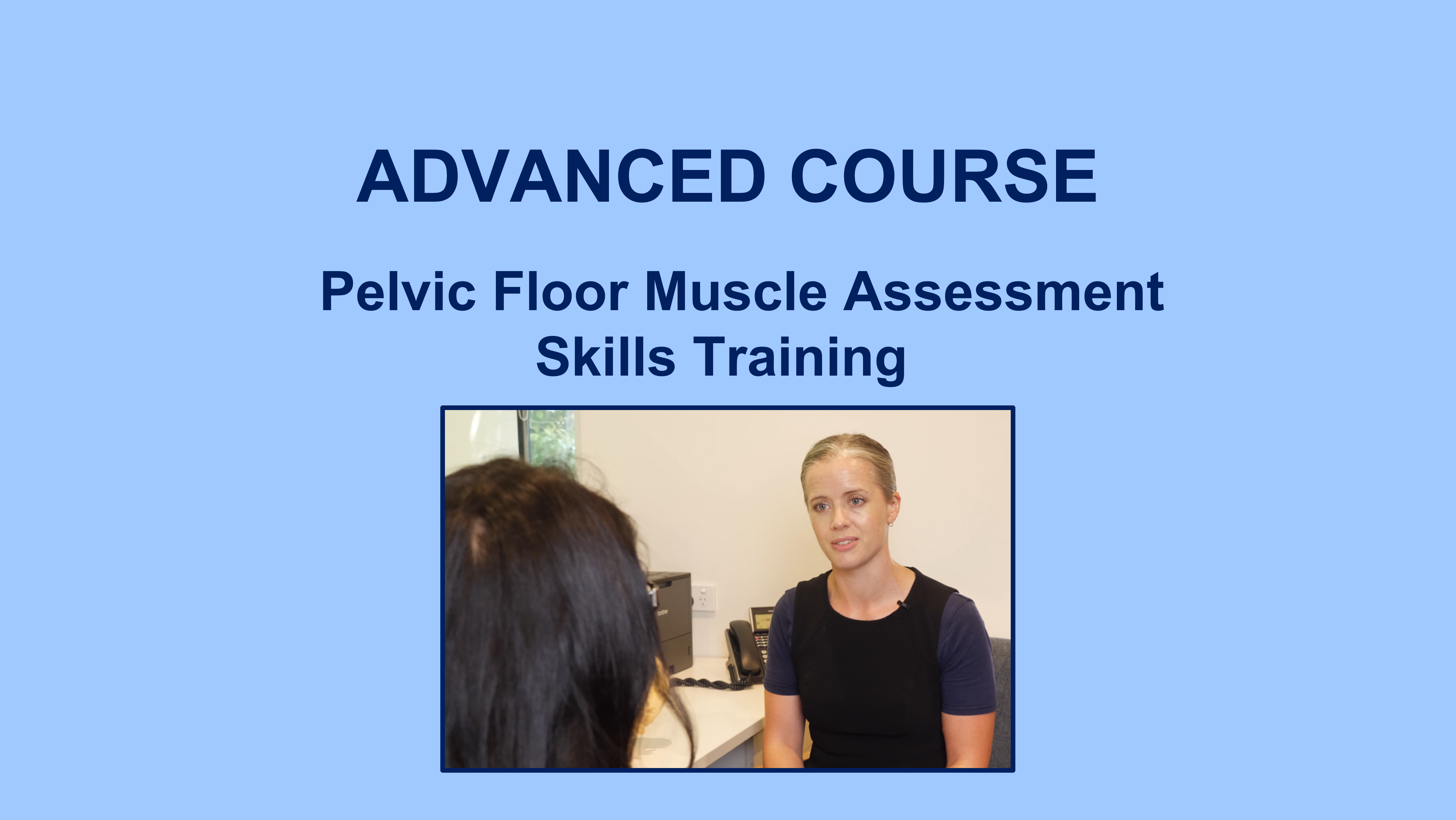
Developed by Associate Professor Helena Frawley via a collaboration with the Continence Foundation of Australia and The University of Melbourne, this course is designed for any post-graduate health professional working in specialty clinics where pelvic floor muscle function, assessment and education is undertaken.
There are two pathways to complete this course.
- Interactive Pathway - follow this pathway if it is the first time you are undertaking this course.
- Video Pathway - follow this pathway if you have completed the interactive pathway before and are looking for a refresher, or you are an experienced clinician who does not need the educational resources.
- Manager: Louise Reed

Introduction to Paediatric Continence is the Core module of the paediatric continence course. This is a pre-requisite for all other modules in this program, providing a solid foundation to start your learning. In this module you will learn about:
- Anatomy and physiology of the lower urinary tract
- Anatomy and physiology of the gastrointestinal tract
- Development of continence
- Bladder and bowel dysfunction

Psychological conditions associated with paediatric incontinence is the sixth of seven electives in the Paediatric Continence course. You must complete the core unit, Introduction to Paediatric Continence before undertaking any of the electives. This module will cover:
- psychological conditions and common neurodevelopmental problems associated with incontinence
- screening for psychological and behavioural conditions
- Cognitive Behavioural Therapy (CBT) in the management of continence in children with incontinence.
NOTE: You must complete the core unit, Introduction to Paediatric Continence before undertaking any of the electives.
You will be able to enrol in this module, however will not be granted access until the core module is completed.

Neurological and anatomical causes of incontinence is the fifth of seven electives in the Paediatric Continence course. You must complete the core unit, Introduction to Paediatric Continence before undertaking any of the electives. This module will cover:
- neurogenic bladder assessment
- neurogenic bladder treatment
- structural abnormalities that cause incontinence
- catheterisation
NOTE: You must complete the core unit, Introduction to Paediatric Continence before undertaking any of the electives.
You will be able to enrol in this module, however will not be granted access until the core module is completed.

Assessment and management of bowel dysfunction is the second of seven electives in the Paediatric Continence course. This module will cover:
- history taking
- examination, bowel diary and tests
- treatment options
NOTE: You must complete the core unit, Introduction to Paediatric Continence before undertaking any of the electives.
You will be able to enrol in this module, however will not be granted access until the core module is completed.

Assessment and management of daytime lower urinary tract dysfunction is the first of seven electives in the Paediatric Continence course. This module will cover:
- initial assessment of daytime LUT dysfunction
- further assessment of daytime LUT function
- advanced assessment of daytime LUT function
- urotherapy
NOTE: You must complete the core unit, Introduction to Paediatric Continence before undertaking any of the electives.
You will be able to enrol in this module, however will not be granted access until the core module is completed.
Enuresis is the third of seven electives in the Paediatric Continence course. This module will cover:
- enuresis
- enuresis assessment
- enuresis treatment
- therapy resistant enuresis
NOTE: You must complete the core unit, Introduction to Paediatric Continence before undertaking any of the electives.
You will be able to enrol in this module, however will not be granted access until the core module is completed.

Transitional care is the fourth of seven electives in the Paediatric Continence course. You must complete the core unit, Introduction to Paediatric Continence before undertaking any of the electives. This module will cover:
- childhood continence issues that may continue into adulthood
- why children with neurological and anatomical anomalies will require life-long evaluation and management
- issues in transitioning from a paediatric to an adult continence service
- consequences of a lack of coordination between paediatric and adult services
- strategies to improve transition
NOTE: You must complete the core unit, Introduction to Paediatric Continence before undertaking any of the electives.
You will be able to enrol in this module, however will not be granted access until the core module is completed.

This module contains the topics:
- Understanding dementia
- Dementia and incontinence
- Assessing and managing incontinence in people living with dementia
By the end of this module, you should be able to:
- Define dementia and the subtypes of dementia
- Describe the six cognitive domains affected by dementia
- Explain how dementia may impact a person’s ability to maintain continence and what types of incontinence they may experience
- Describe the impact of medications for the management of dementia on continence
- Discuss the importance of a continence assessment in relation to providing individualised continence care to a person living with dementia
- Outline management strategies for incontinence in a person living with dementia

Psychological conditions associated with paediatric incontinence is the sixth of seven electives in the Paediatric Continence course. You must complete the core unit, Introduction to Paediatric Continence before undertaking any of the electives. This module will cover:
- psychological conditions and common neurodevelopmental problems associated with incontinence
- screening for psychological and behavioural conditions
- Cognitive Behavioural Therapy (CBT) in the management of continence in children with incontinence.
NOTE: You must complete the core unit, Introduction to Paediatric Continence before undertaking any of the electives.
You will be able to enrol in this module, however will not be granted access until the core module is completed.
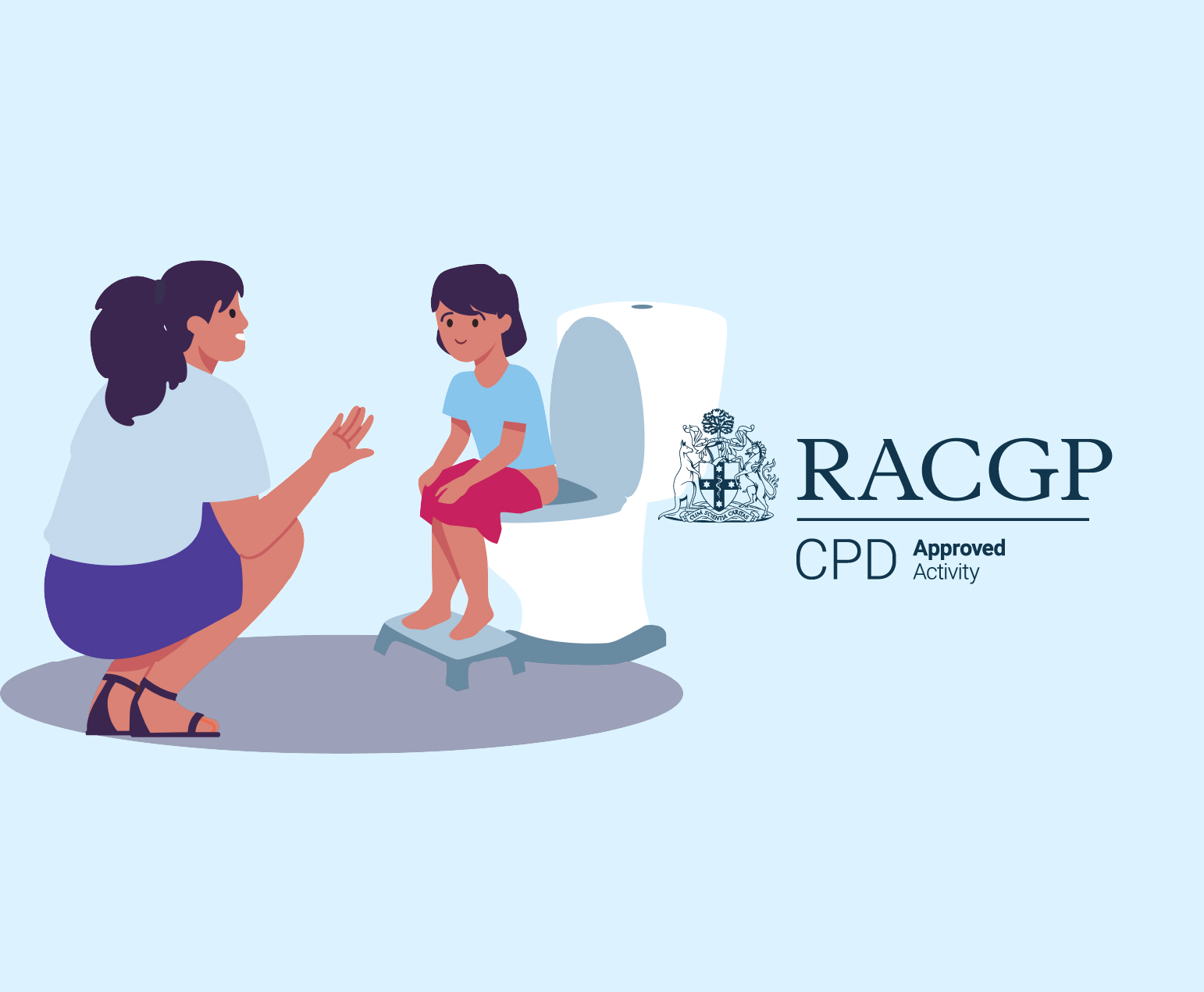
Supporting toilet training is the final of seven electives in the Paediatric Continence course. You must complete the core unit, Introduction to Paediatric Continence before undertaking any of the electives. This module will cover:
- milestones necessary for successful toilet training
- comorbidities and their affect on toilet training
- recognised toilet training approaches
- associated complications which require treatment
- resources to assist parents and caregivers
NOTE: You must complete the core unit, Introduction to Paediatric Continence before undertaking any of the electives.
You will be able to enrol in this module, however will not be granted access until the core module is completed.
Neurological and anatomical causes of incontinence is the fifth of seven electives in the Paediatric Continence course. You must complete the core unit, Introduction to Paediatric Continence before undertaking any of the electives. This module will cover:
- neurogenic bladder assessment
- neurogenic bladder treatment
- structural abnormalities that cause incontinence
- catheterisation
NOTE: You must complete the core unit, Introduction to Paediatric Continence before undertaking any of the electives.
You will be able to enrol in this module, however will not be granted access until the core module is completed.
Transitional care is the fourth of seven electives in the Paediatric Continence course. You must complete the core unit, Introduction to Paediatric Continence before undertaking any of the electives. This module will cover:
- childhood continence issues that may continue into adulthood
- why children with neurological and anatomical anomalies will require life-long evaluation and management
- issues in transitioning from a paediatric to an adult continence service
- consequences of a lack of coordination between paediatric and adult services
- strategies to improve transition
NOTE: You must complete the core unit, Introduction to Paediatric Continence before undertaking any of the electives.
You will be able to enrol in this module, however will not be granted access until the core module is completed.
Enuresis is the third of seven electives in the Paediatric Continence course. This module will cover:
- enuresis
- enuresis assessment
- enuresis treatment
- therapy resistant enuresis
NOTE: You must complete the core unit, Introduction to Paediatric Continence before undertaking any of the electives.
You will be able to enrol in this module, however will not be granted access until the core module is completed.
Assessment and management of bowel dysfunction is the second of seven electives in the Paediatric Continence course. This module will cover:
- history taking
- examination, bowel diary and tests
- treatment options
NOTE: You must complete the core unit, Introduction to Paediatric Continence before undertaking any of the electives.
You will be able to enrol in this module, however will not be granted access until the core module is completed.
Assessment and management of daytime lower urinary tract dysfunction is the first of seven electives in the Paediatric Continence course. This module will cover:
- initial assessment of daytime LUT dysfunction
- further assessment of daytime LUT function
- advanced assessment of daytime LUT function
- urotherapy
NOTE: You must complete the core unit, Introduction to Paediatric Continence before undertaking any of the electives.
You will be able to enrol in this module, however will not be granted access until the core module is completed.

Introduction to Paediatric Continence is the Core module of the paediatric continence course. This is a pre-requisite for all other modules in this program, providing a solid foundation to start your learning. In this module you will learn about:
- Anatomy and physiology of the lower urinary tract
- Anatomy and physiology of the gastrointestinal tract
- Development of continence
- Bladder and bowel dysfunction

General Practitioners play a pivotal role in helping those with, or at risk of developing incontinence, manage the condition and improve their quality of life. This course provides GPs with the skills and knowledge to identify patients with or at risk of developing incontinence and assess and manage continence issues. The course covers 4 modules:
- Understanding incontinence:
- Introduction to incontinence
- Anatomy of the lower urinary tract
- Physiology of the lower urinary tract
- Anatomy and physiology of the lower gastrointestinal tract
- Development of continence
- Identification and assessment of incontinence:
- Continence across the lifespan
- Initiating continence-related discussions
- Assessing incontinence
- Managing incontinence:
- Initial management of incontinence
- Management of anal incontinence and constipation
- Further management of urinary incontinence
- Referred care of urinary incontinence:
- Further investigation of urinary incontinence
- Specialised management of urinary incontinence

This module contains the topics:
- Introduction to the Bowel
- What is faecal incontinence?
- How is faecal incontinence assessed?
- Treatment, management and prevention of faecal incontinence
By the end of this module, you should be able to:
- describe how bowel motility occurs and how continence is achieved
- define faecal incontinence and describe the different types of faecal incontinence
- describe how constipation and diarrhoea contribute to faecal incontinence
- list the causes of faecal incontinence
- discuss what is included in a faecal incontinence assessment
- discuss treatment, management and prevention of faecal incontinence

Paediatric Continence has been developed has been developed for continence health professionals who work with, or wish to work with, children. Consisting of 8 compulsory modules, you will cover:
- Introduction to paediatric continence
- Daytime continence
- Bowel dysfunction
- Nocturnal enuresis
- Transitional care
- Neurological and anatomical causes of incontinence
- Psychological conditions associated with paediatric incontinence
- Supporting toilet training
Once you have completed your enrolment please call the team on 03 8849 9482 so we can enrol you in this course.

Continence Care for Men has been developed for Nurses and comprises a selection of intermediate modules specifically relevant to providing continence care to men.

Continence Care for Women has been developed for Nurses and comprises a selection of intermediate modules specifically relevant to providing continence care to women.
Once you have purchased this program, please email education@continence.org.au with your elective choices.
NOTE: If you are a member contact education@continence.org.au to access the discount code.

Introduction to Continence Care has been developed for Care Workers, Enrolled and Registered Nurses who are interested in moving into continence care. It is made up of:
- Essentials of Continence Care
- Apects of Continence Care
Once you have purchased this program, please email education@continence.org.au with your elective choices.
NOTE: If you are a member contact education@continence.org.au to access the discount code.

Continence Care for th Older Personhas been developed for Nurses and comprises a selection of intermediate modules specifically relevant to providing continence care to older people.
Once you have purchased this program, please email education@continence.org.au with your elective choices.
NOTE: If you are a member contact education@continence.org.au to access the discount code.
BOLTON CLARKE STAFF ONLY
Background Colour
Font Face
Font Kerning
Font Size
Image Visibility
Letter Spacing
Line Height
Link Highlight
Text Colour